

Can’t Reach Your Pier? Dredging Can Fix It
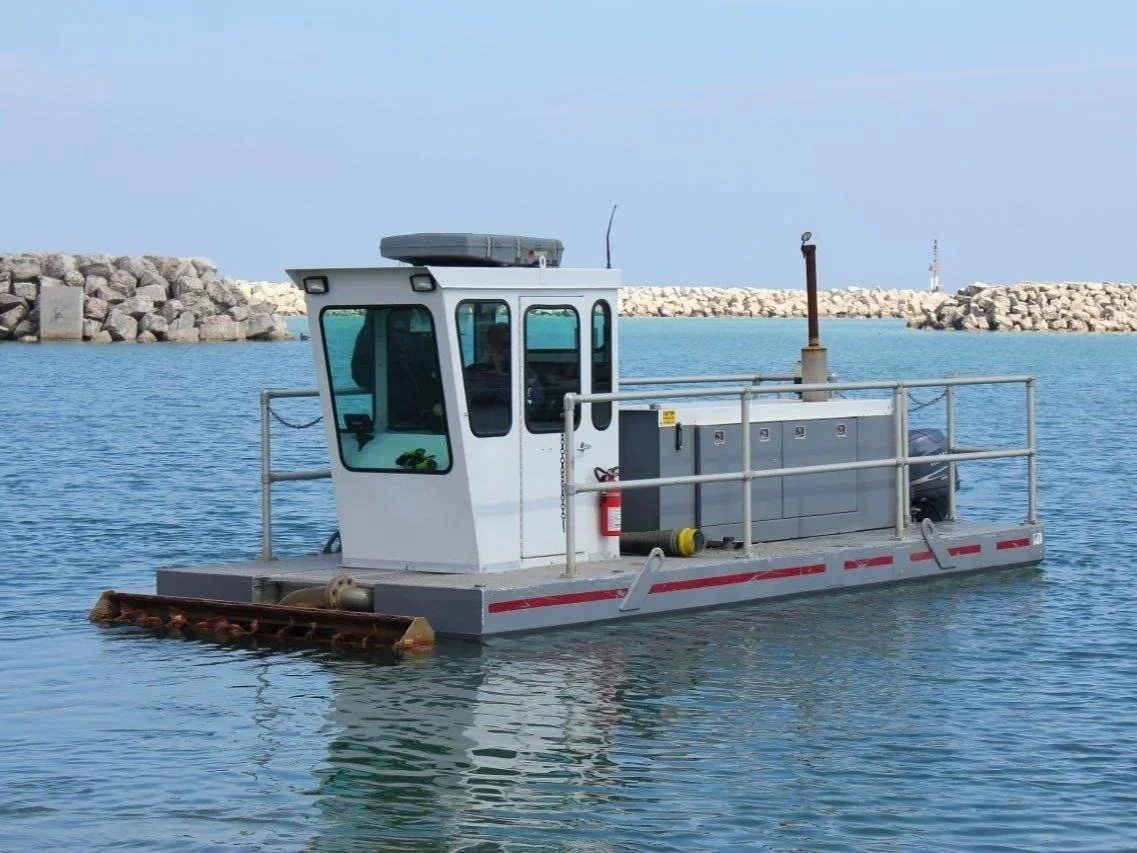
When the water’s there, but the depth isn’t
At first, it’s subtle.
You trim your motor up a little more.
You take a wider path to your pier.
You start paying closer attention to where you drive.
Then one day, it’s obvious.
You can’t reach your pier without worrying about hitting bottom.
This isn’t just a water level issue.
It’s what’s building up beneath the surface.
Are you experiencing this?
You have to trim your motor up to reach your pier
Your boat occasionally hits bottom
Docking feels inconsistent or tight
You avoid certain areas of your shoreline
If any of these sound familiar, your shoreline is likely losing depth.
What’s really happening below the surface
Over time, lakes naturally collect:
Silt
Sand
Organic debris
Runoff from surrounding shorelines
This material settles near your shoreline, especially around piers, slowly reducing water depth year after year.
Even a few inches of buildup can:
Limit safe boat access
Increase risk of prop damage
Make docking difficult
Turn usable shoreline into shallow water
This doesn’t correct itself. It typically gets worse each season.
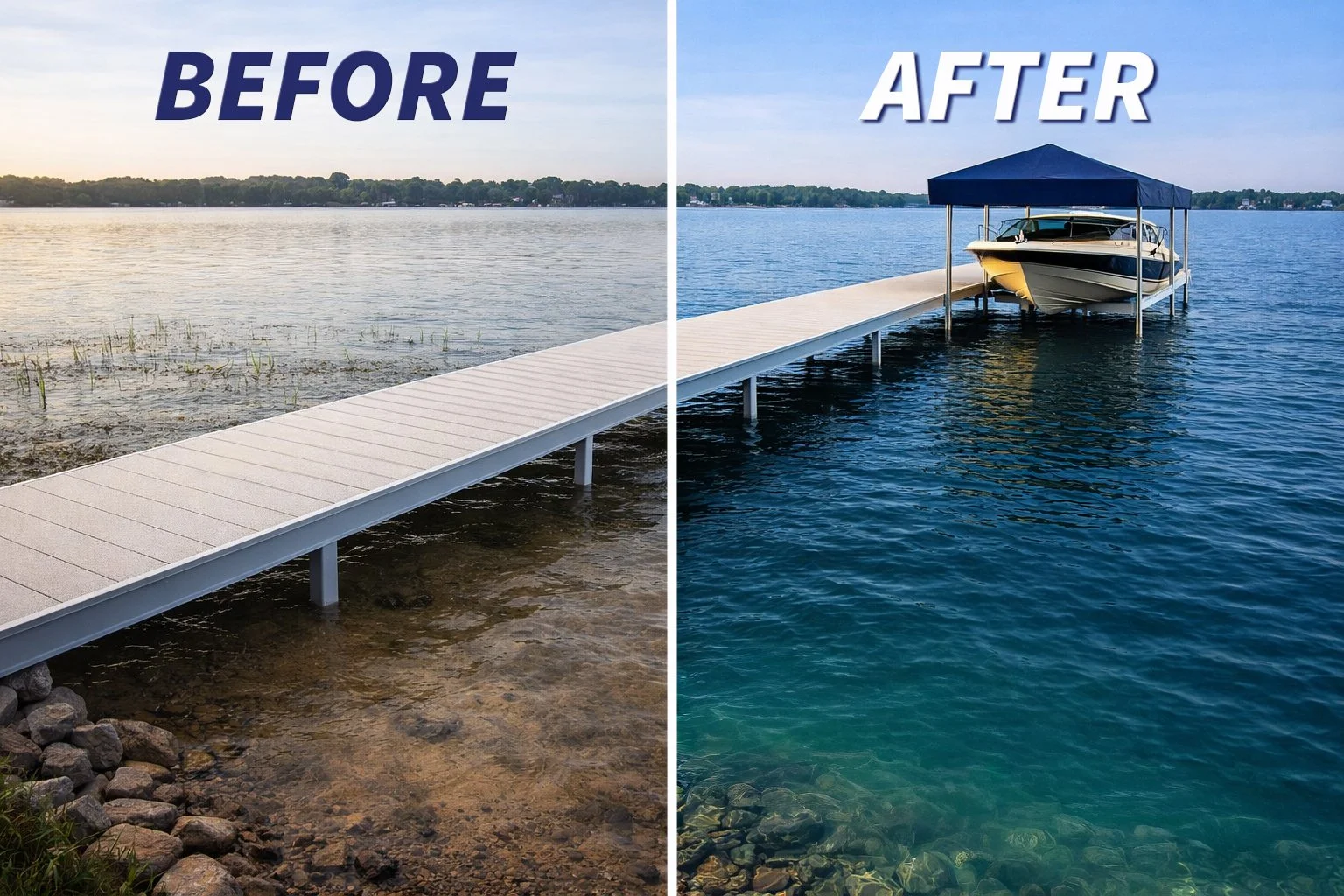
Why this becomes a bigger problem over time
Most homeowners don’t notice it right away.
But sediment buildup compounds. What starts as a minor inconvenience can turn into:
Limited or unusable dock access
Increased wear on your boat
Constant adjustments every time you go out
A shoreline that no longer functions the way it should
At that point, you’re not just dealing with inconvenience. You’re losing the ability to fully use your lakefront.
How dredging actually works (and why it’s effective)
Dredging removes the accumulated sediment from the lakebed, restoring the depth your shoreline originally had.
This isn’t a temporary fix. When done correctly, it resets your shoreline conditions and restores long-term usability.
What you gain:
Safe, consistent access to your pier
Proper depth where your boat needs it
Reduced risk of damage
A shoreline that works the way it should
Two dredging methods. One goal: restore your access.
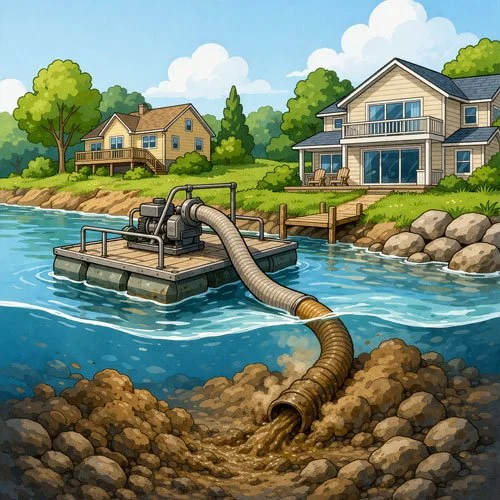
Hydraulic Dredging
Best for:
Fine silt and sand
Larger areas
Minimal disruption
This method uses suction to remove sediment efficiently while keeping your shoreline clean and controlled.
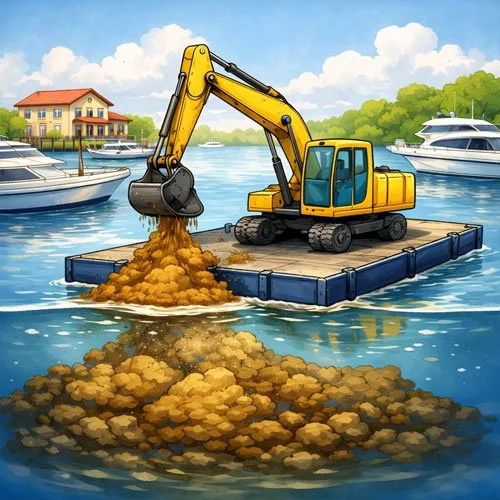
Mechanical Dredging
Best for:
Heavier or compacted materials
Targeted areas
Precise removal
This approach uses specialized equipment to remove buildup exactly where it’s needed.
What most homeowners don’t realize: dredging requires permits
One of the biggest barriers to dredging is not the work itself. It’s the process.
Permits, approvals, and regulations can slow projects down or stop them entirely if not handled correctly.
That’s where experience matters.
We handle the permitting process for you
At Summerset, we manage:
Permit applications
Local and state compliance
Project coordination from start to finish
You don’t have to navigate it alone.
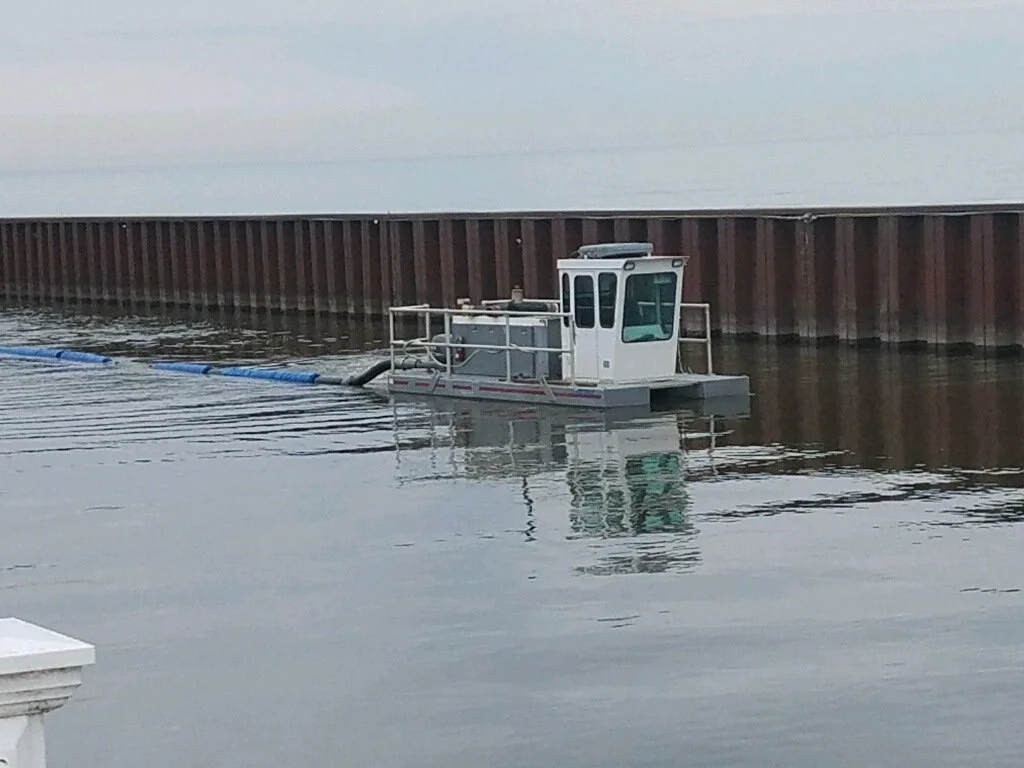
Why homeowners choose Summerset for dredging
Experienced construction management with dredging expertise
Both hydraulic and mechanical capabilities
Full-service approach from evaluation to completion
Local knowledge of southeast Wisconsin lakes
This isn’t just about removing sediment. It’s about restoring how your shoreline functions in the long term.
When is the right time to dredge?
If you’re already noticing shallow conditions, the best time to act is before it gets worse.
Dredging projects often require planning, permitting, and scheduling.
Waiting typically means:
More buildup
More limited access
More complex work later
Ready to regain safe, stress-free access?
If you’re adjusting how you pilot your boat just to avoid hitting bottom, it’s time to fix the cause.
