

How We’re Able to Work Through Winter on Wisconsin Lakes
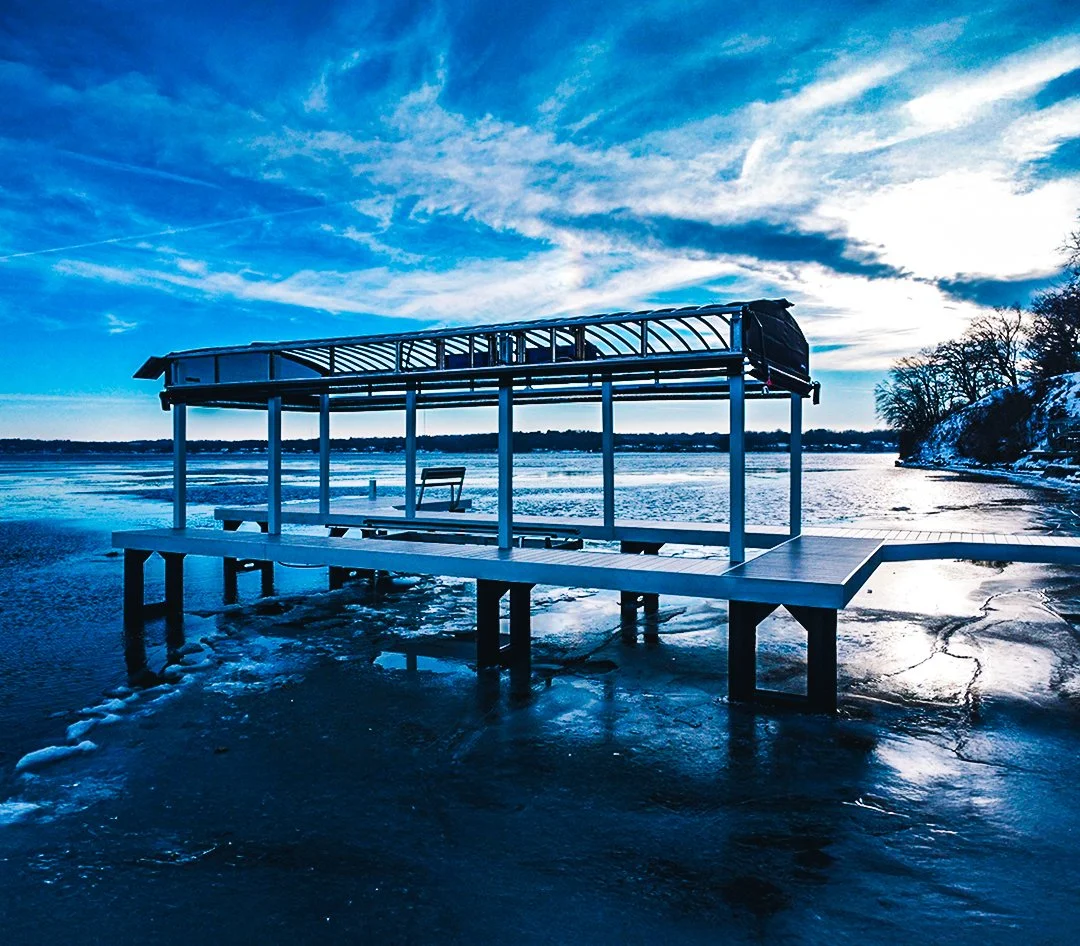
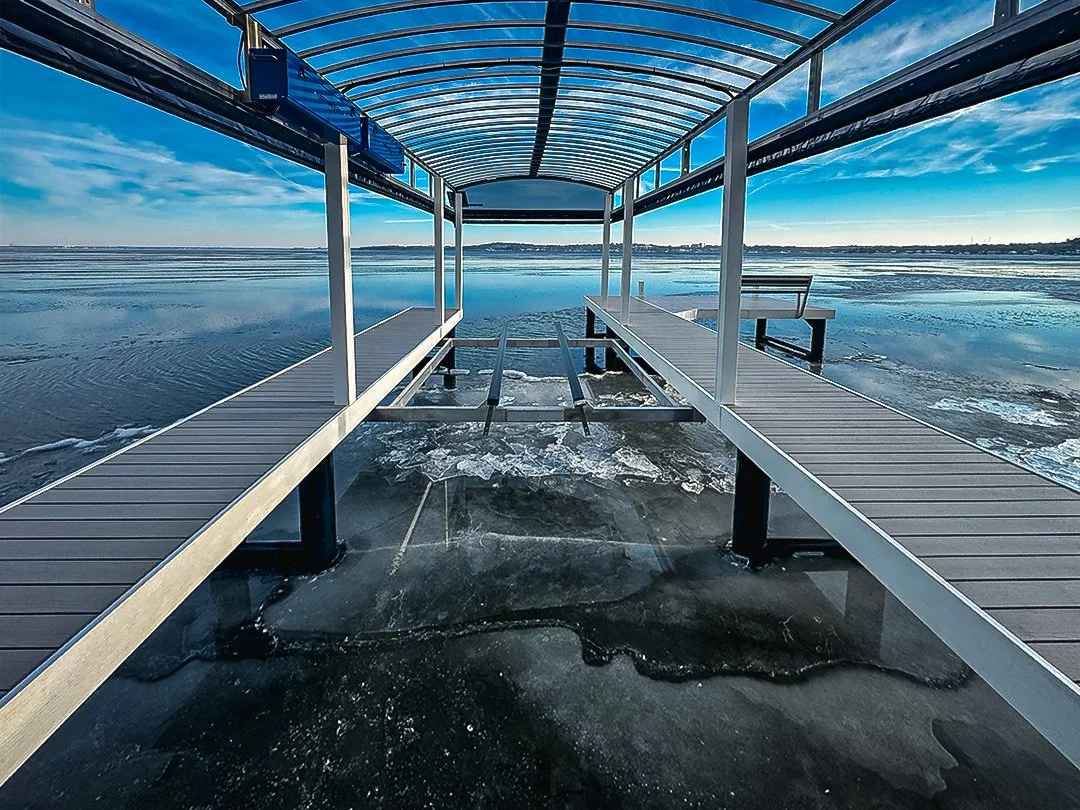
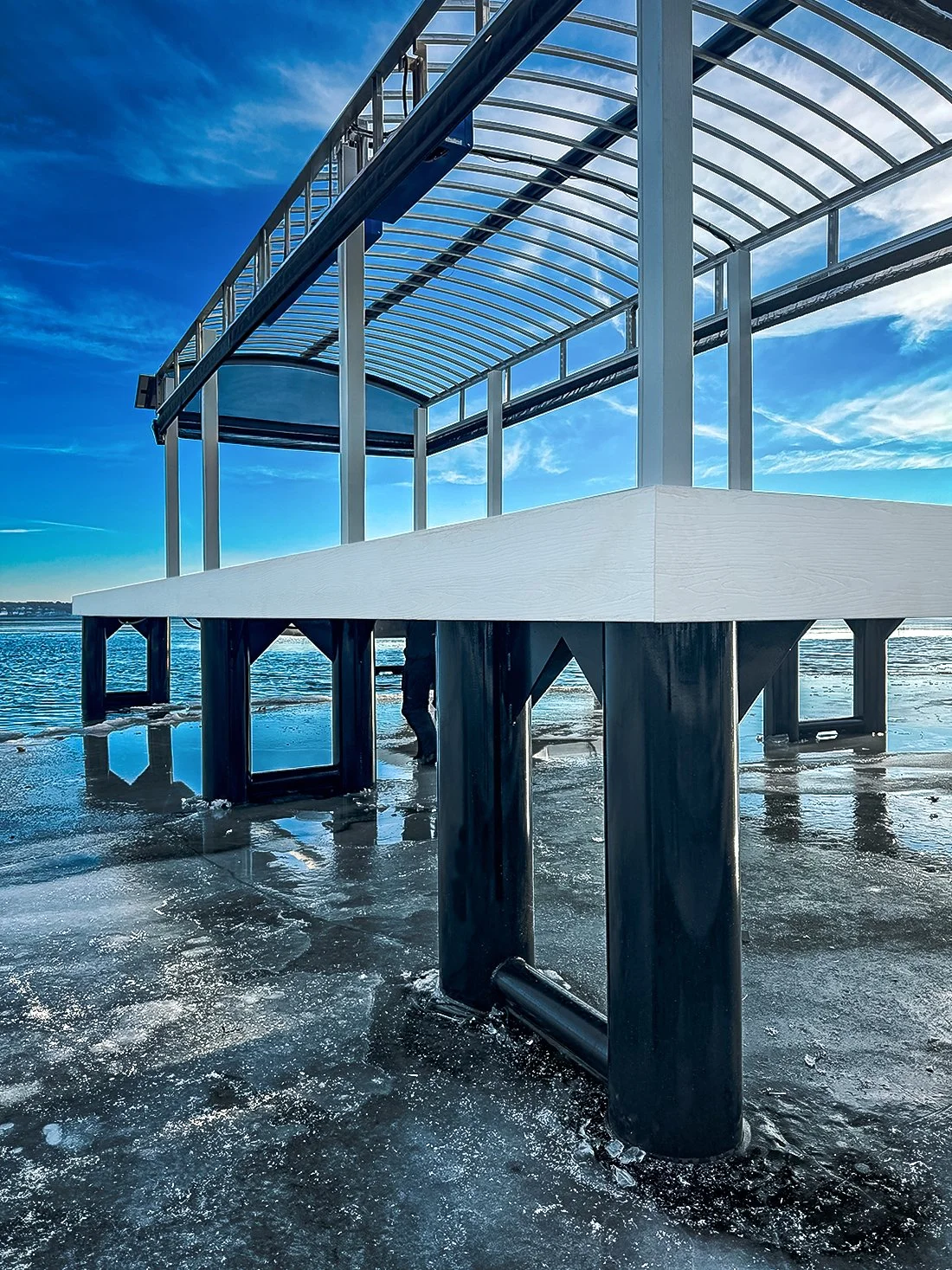
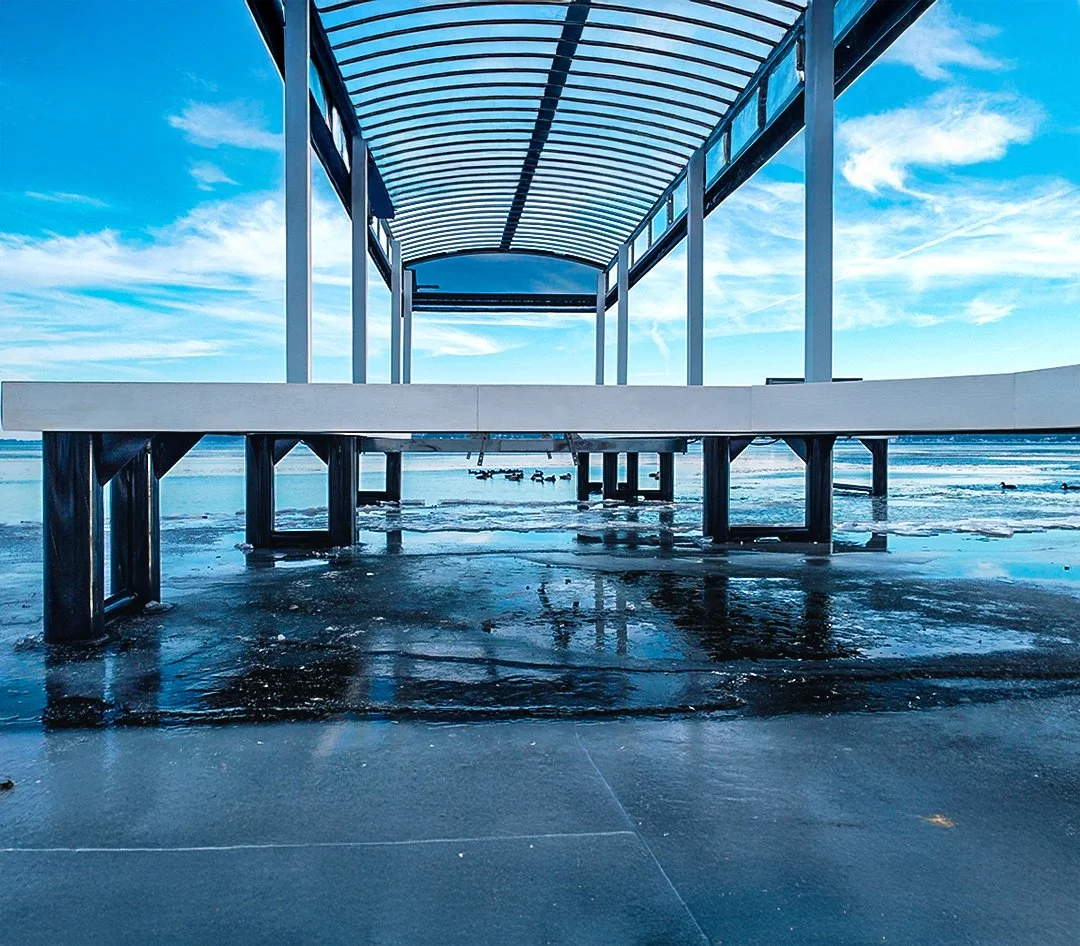
What allows specific waterfront projects to continue when the season changes
For many marine contractors, winter marks a complete stop.
Frozen lakes, ice movement, and cold temperatures make shoreline work more complex — and in many cases, impractical without the right systems in place.
At Summerset Marine Construction, winter is not an off-season. It’s part of a year-round approach built around permanent pier systems, cold-weather planning, and experience working in real Midwest conditions.
Working through winter is possible because of:
Systems designed to remain in place year-round
Installation methods that account for ice, frost depth, and frozen ground
Equipment and crews are explicitly prepared for winter conditions
What Changes in Winter — and What Doesn’t
Winter changes access, sequencing, and logistics. It does not change how projects are engineered or installed.
Cold conditions often provide:
Stable access across frozen surfaces
Clear visibility of shoreline exposure and ice interaction
Reduced wave action for precise alignment and placement
The work becomes more deliberate, not rushed — adapted to the season rather than forced against it.
Why the Ability to Work Through Winter Matters
When shoreline construction pauses entirely, projects compress into a narrow spring window. That often leads to scheduling delays, limited availability, or waiting another full season.
Being able to continue progress through winter allows for:
Earlier project starts
Greater scheduling flexibility
Systems will be ready sooner in the spring
Less disruption during peak summer months
For homeowners planning, winter work often results in a smoother overall timeline.
Common Questions About Winter Waterfront Work
-
Not all work stops when ice forms. With permanent systems, frozen conditions can actually support specific installation and preparation phases.
-
Quality is driven by engineering, materials, and execution — not temperature alone. In many cases, winter conditions allow for more controlled placement.
-
Waiting can limit availability. Planning and progress made during winter often reduce pressure once demand spikes.
Real Winter Conditions, Real Projects
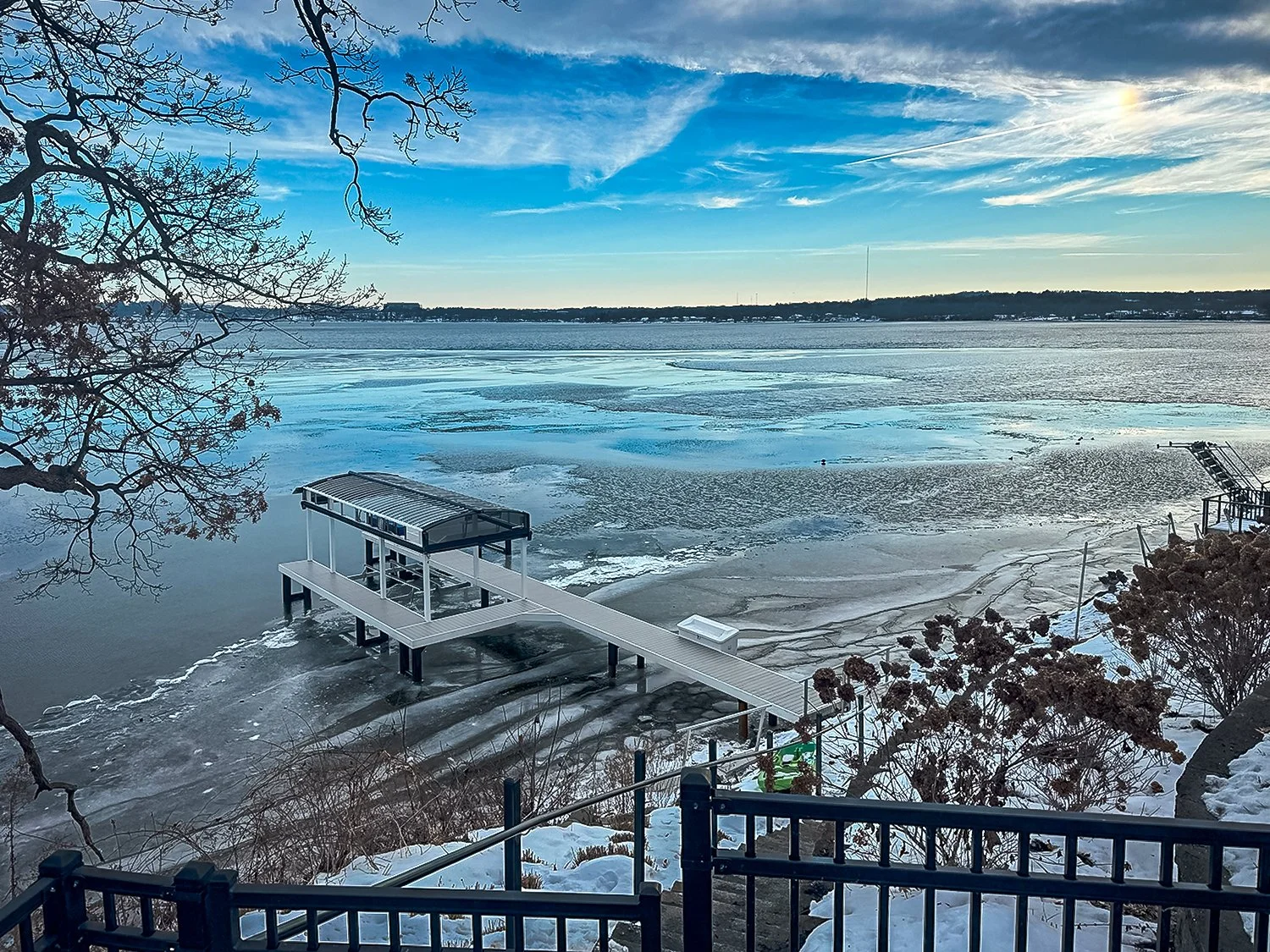
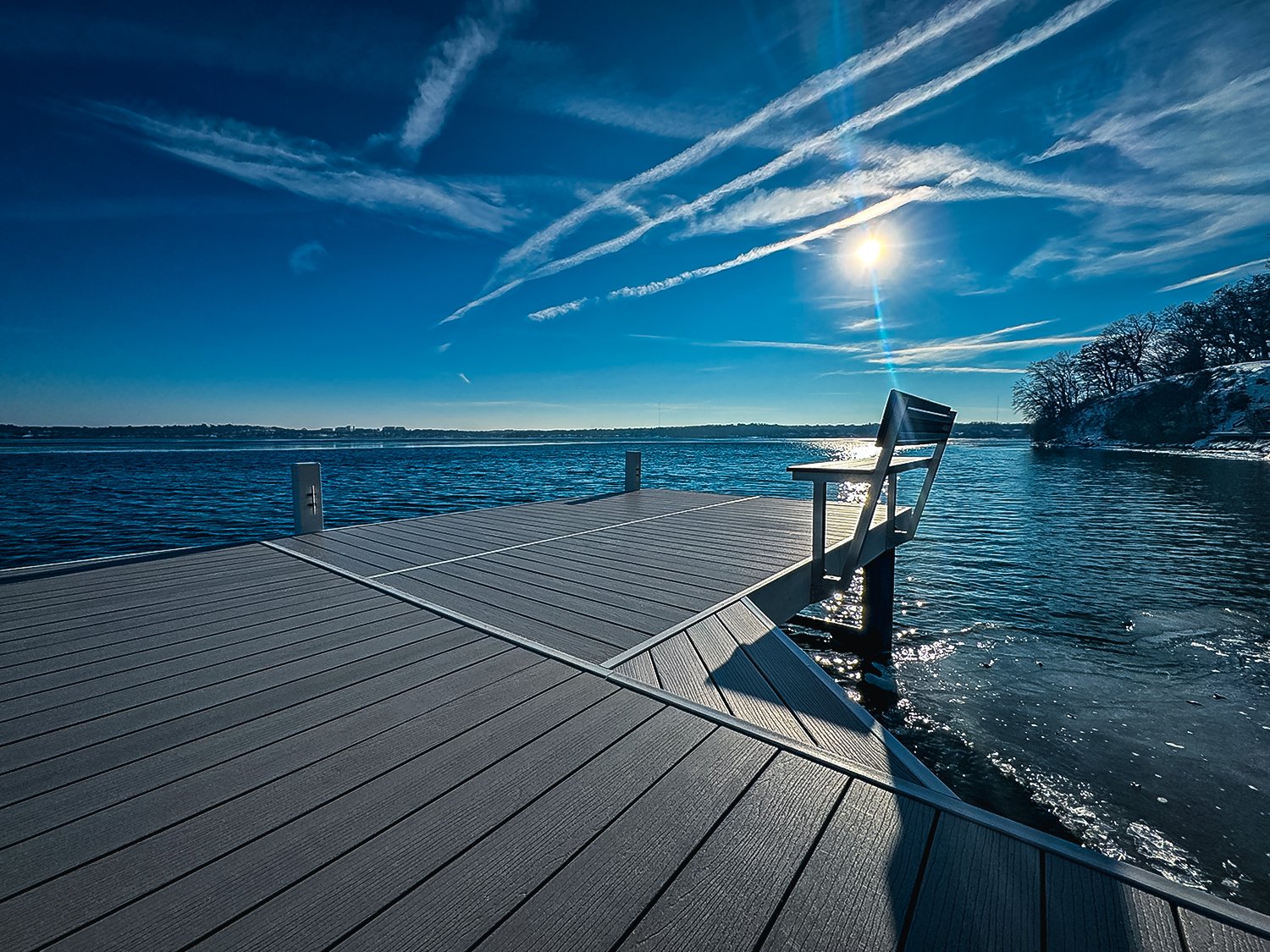
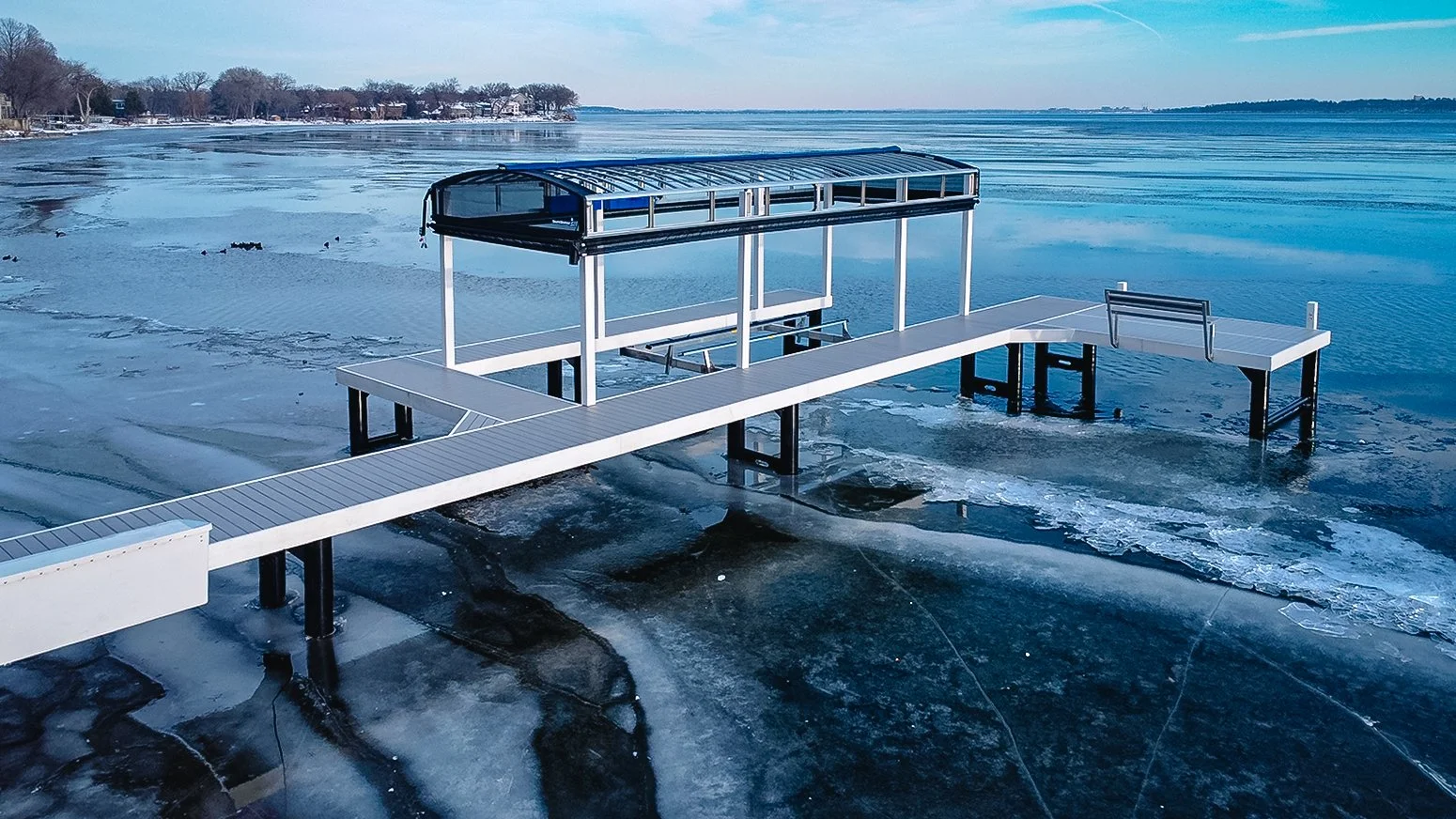
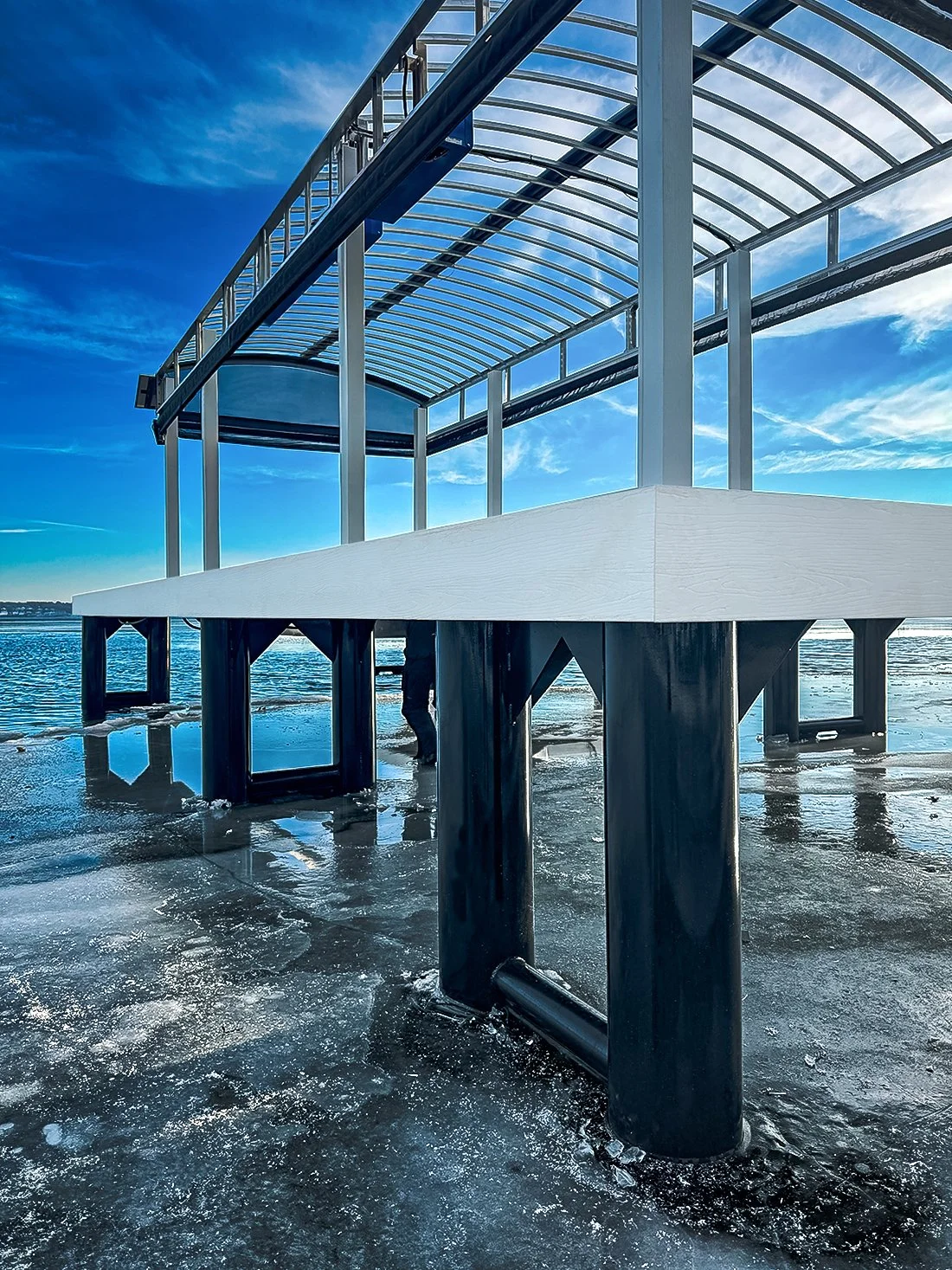
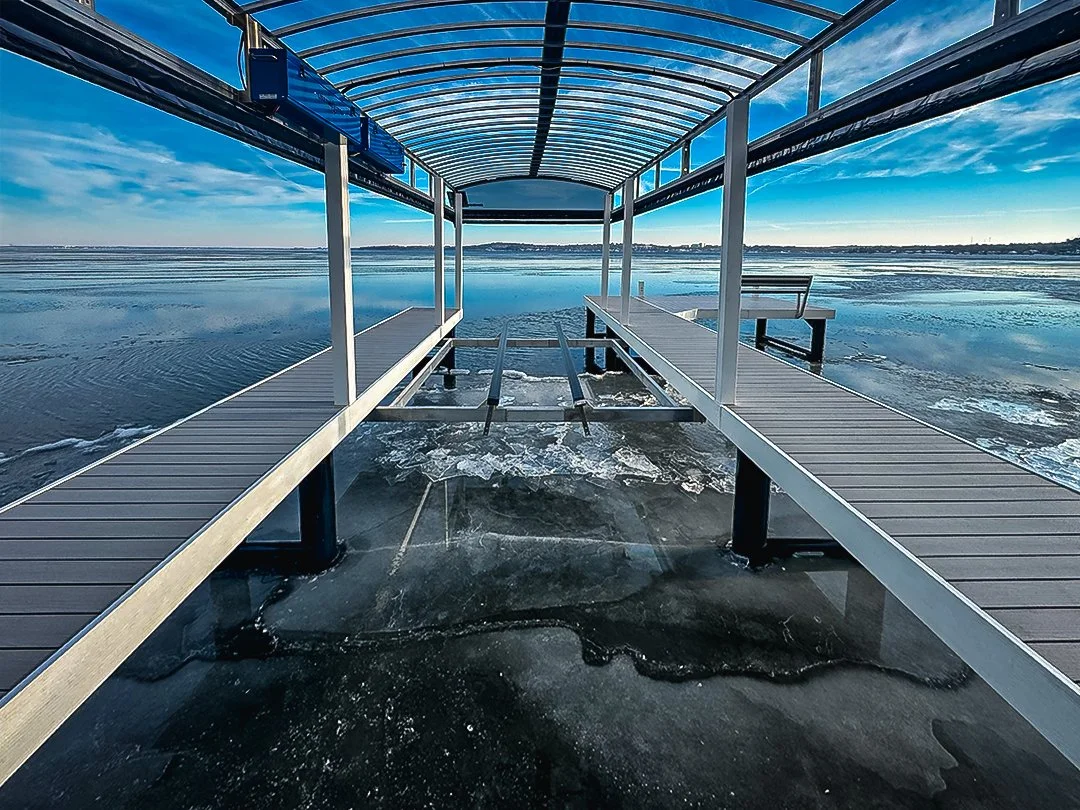
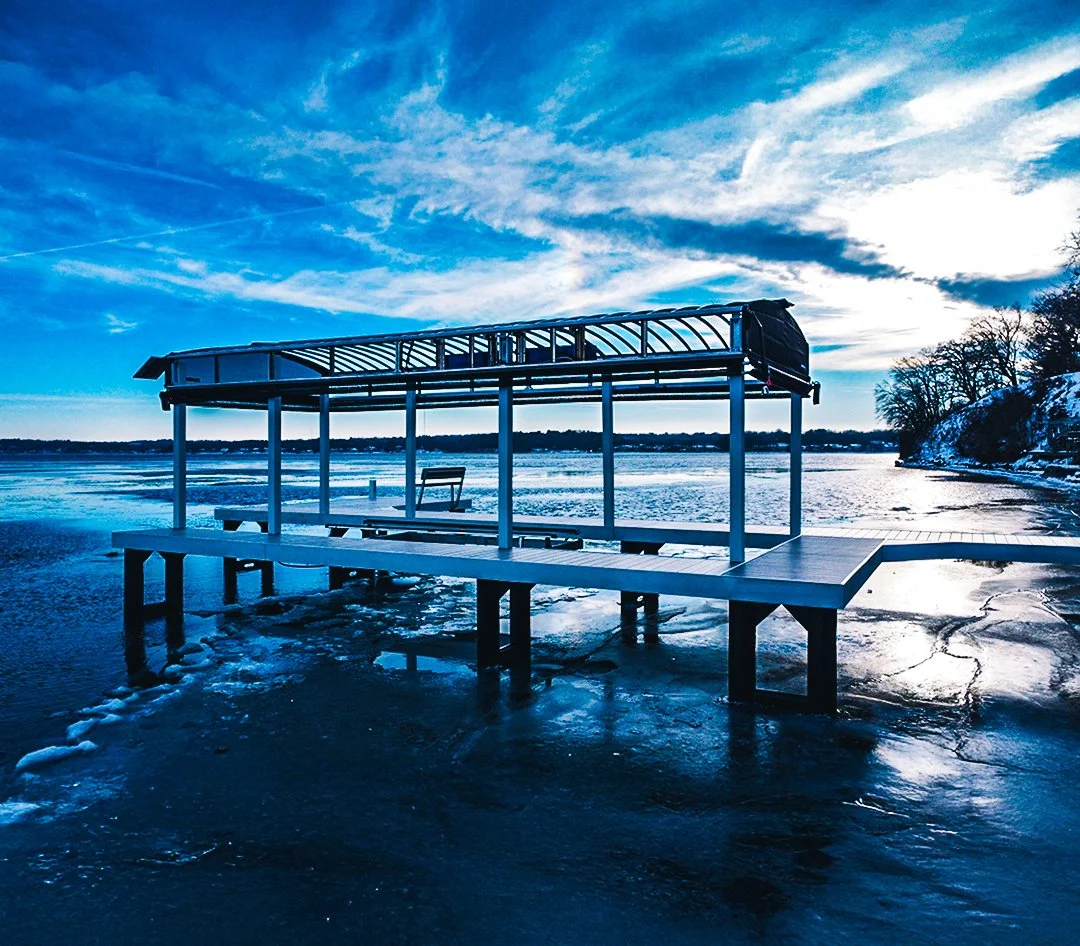
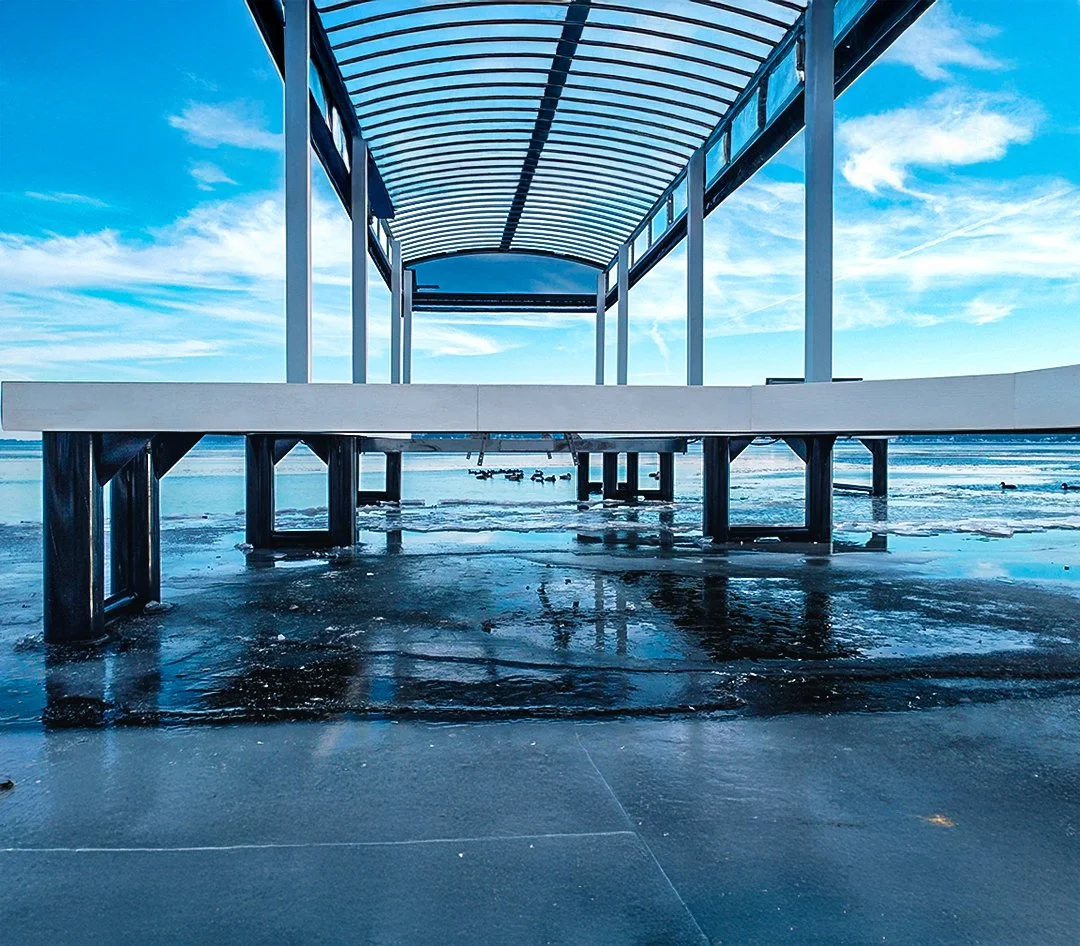
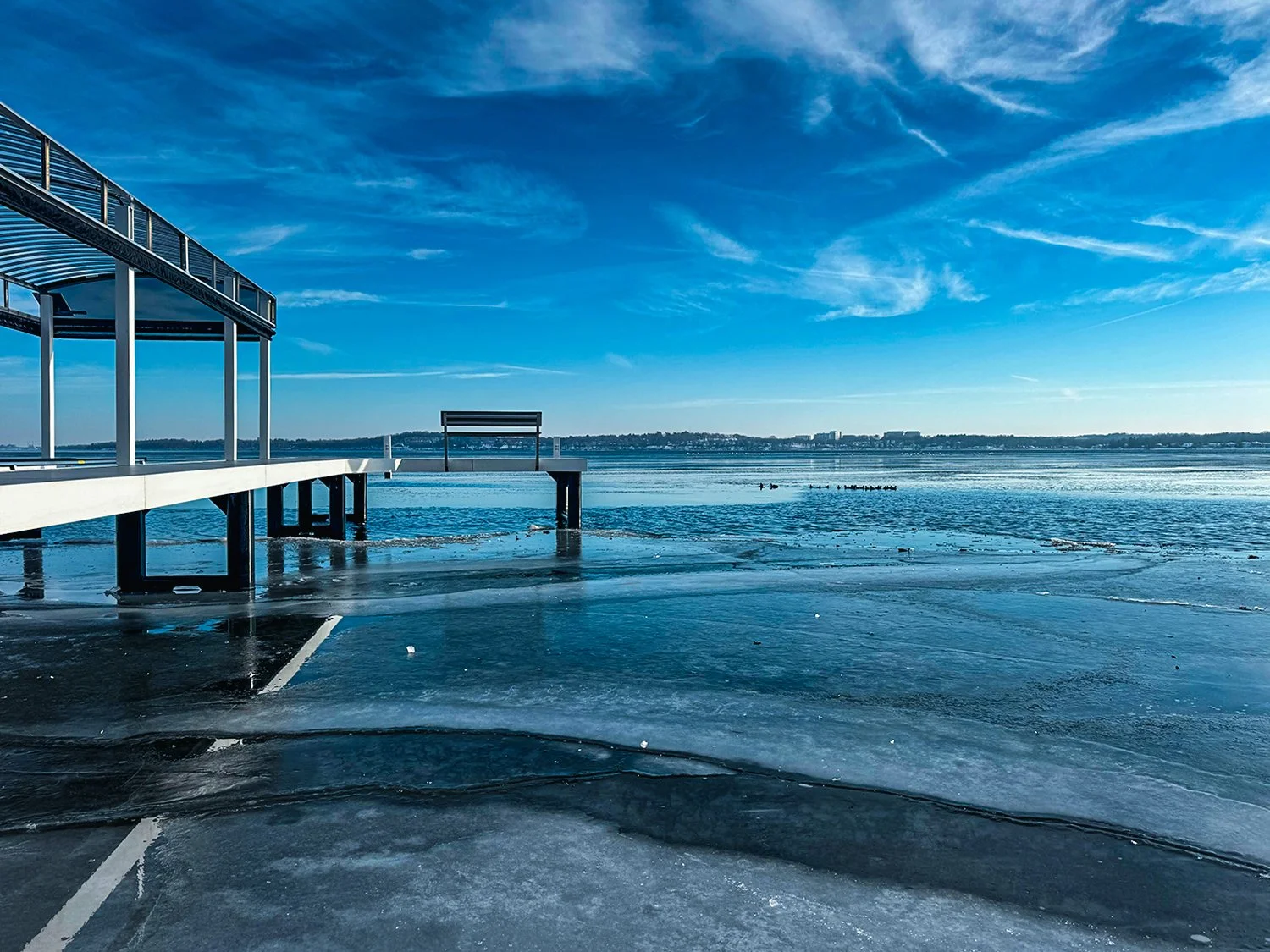
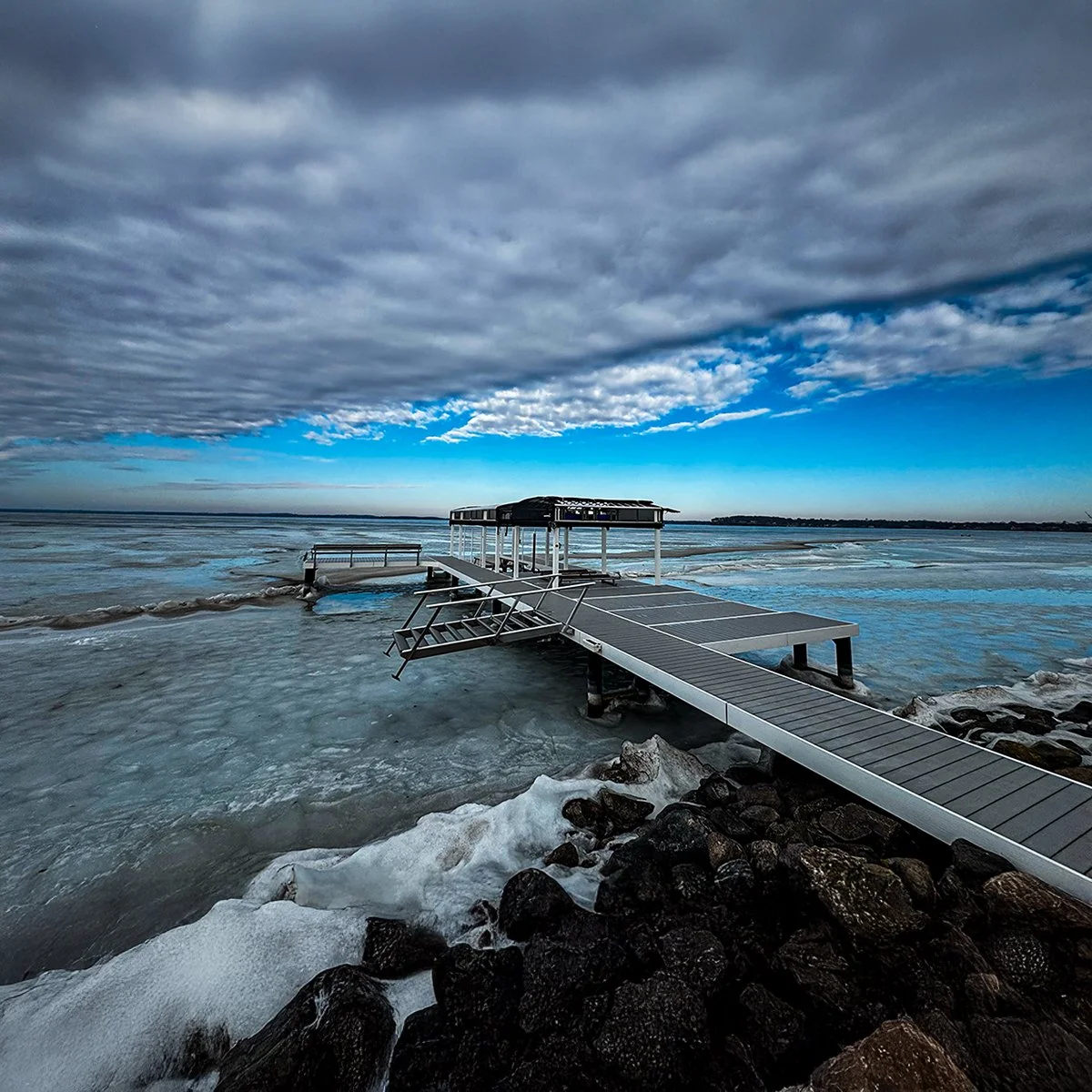
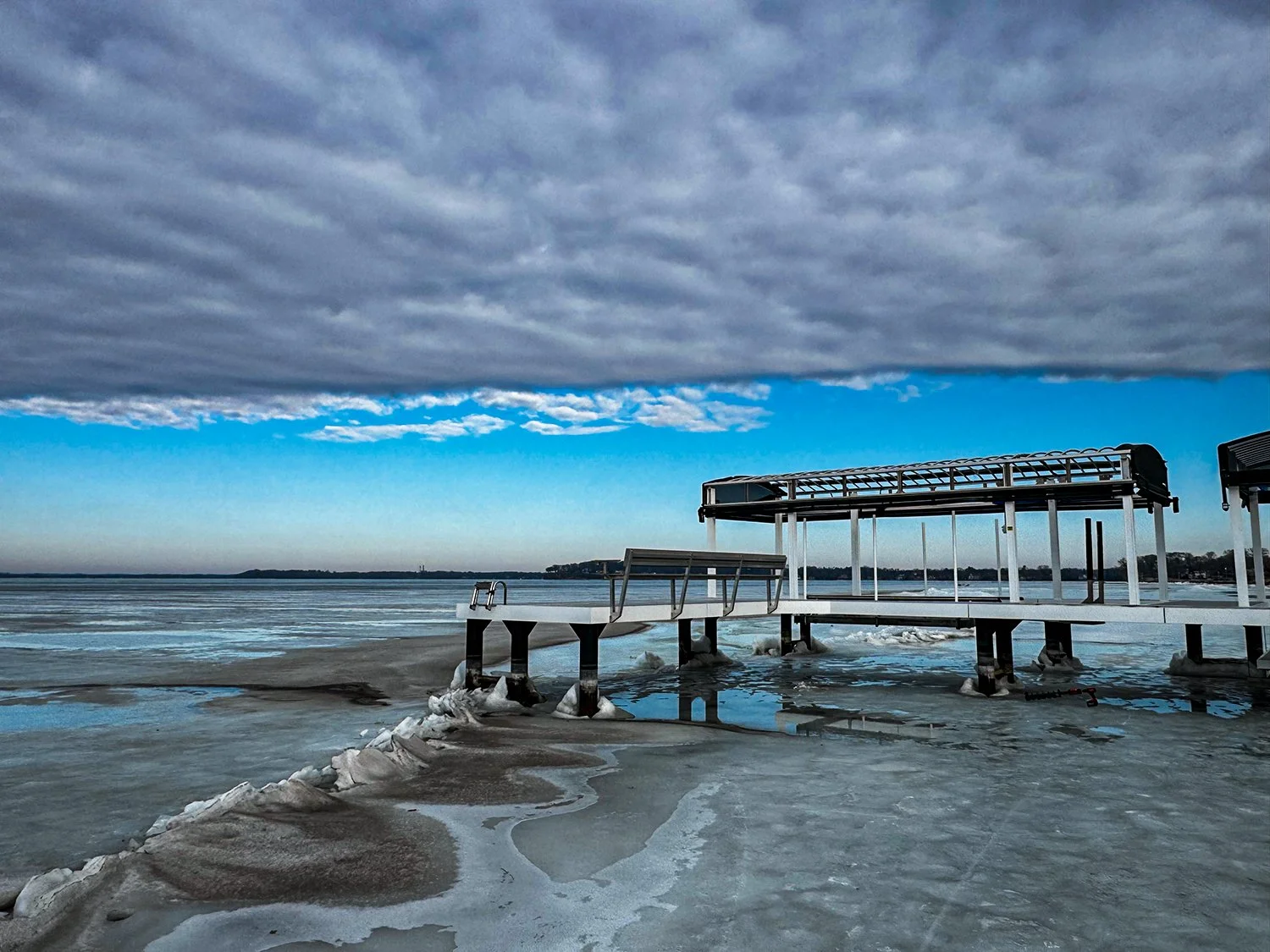
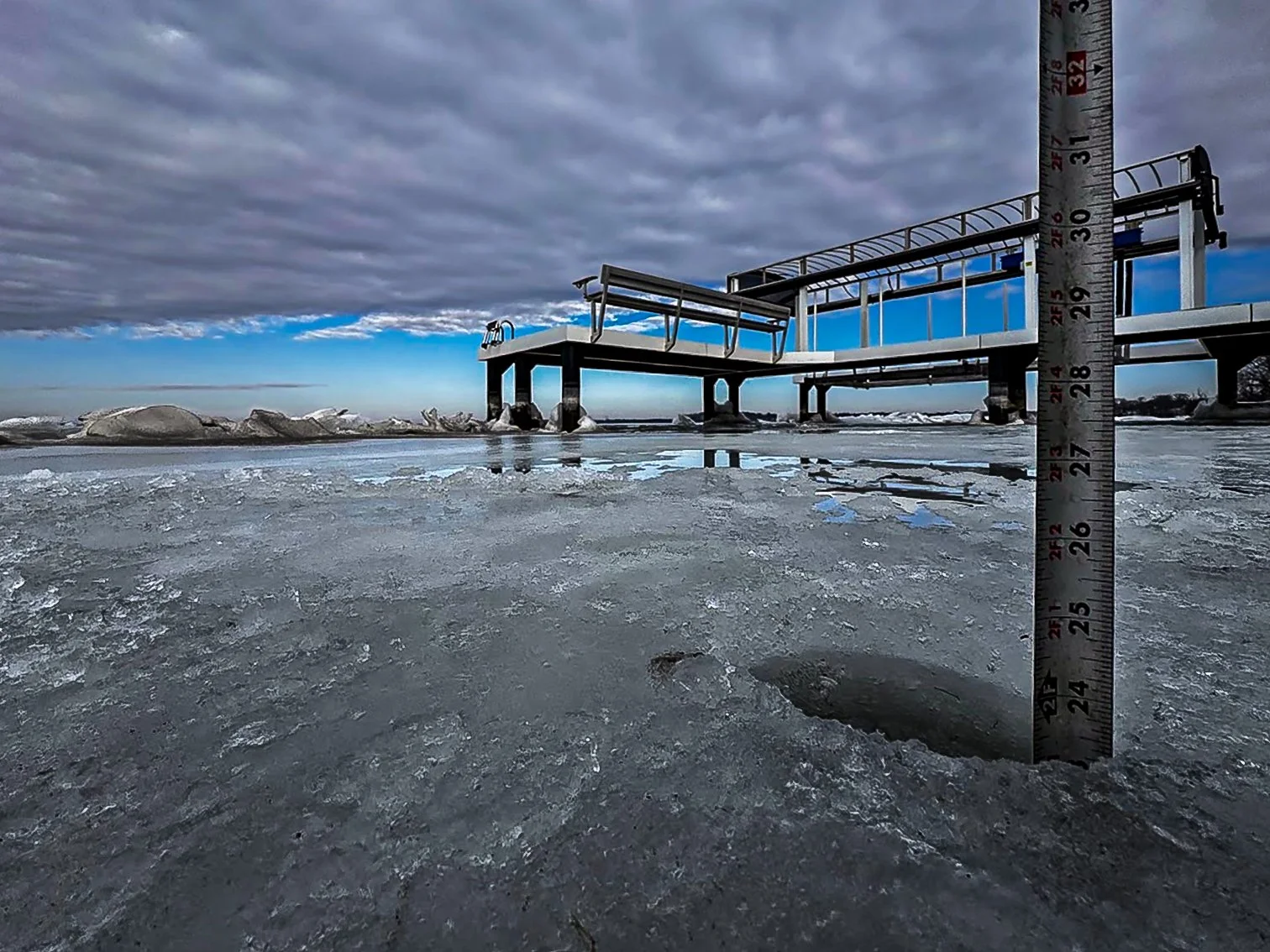
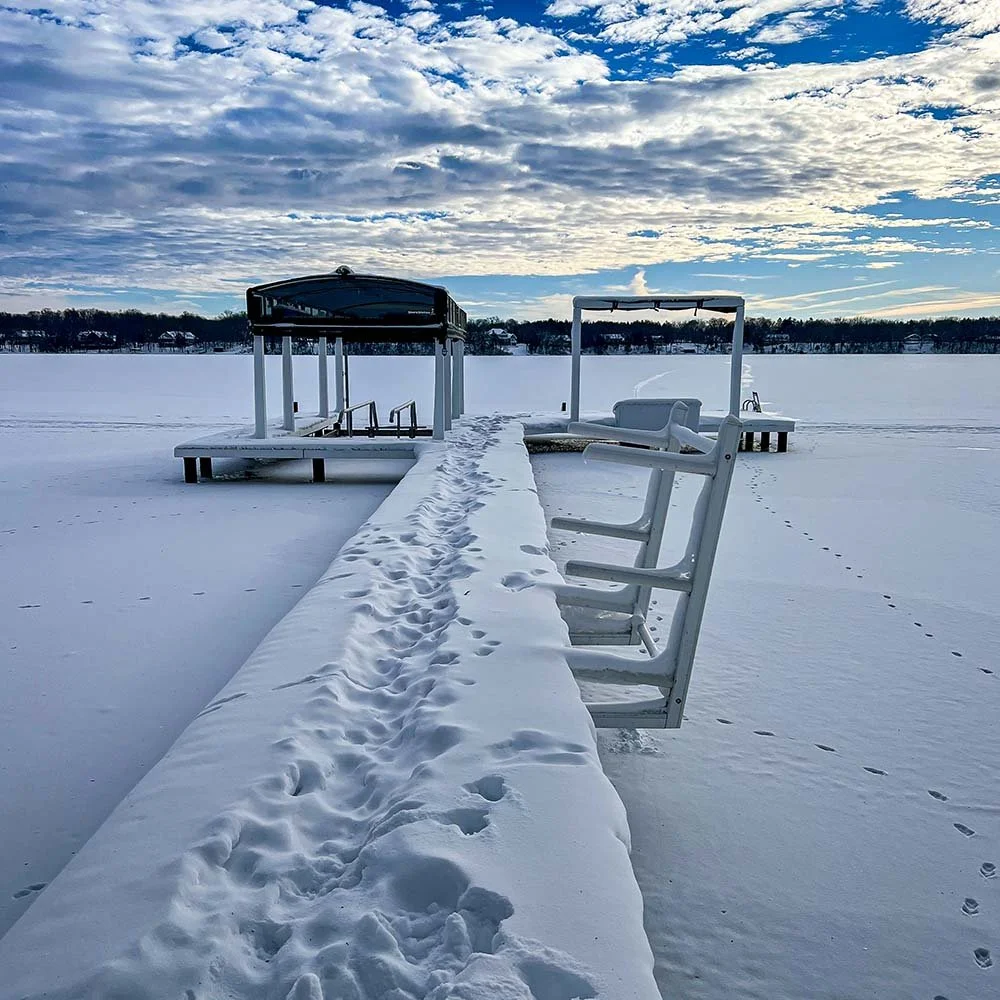
The projects shown in the gallery below were completed under real winter conditions—frozen lakes, ice-covered shorelines, and cold-weather environments.
These systems weren’t installed despite the winter.
They were installed with winter in mind.
Wondering what winter conditions look like on your lake specifically?
A quick shoreline conversation can help clarify whether a year-round approach makes sense for your layout.
How This Fits Into a Year-Round Process
Winter work is one piece of a broader approach:
Planning doesn’t stop when temperatures drop
Permanent systems are designed for all seasons from the start
Projects are sequenced to reduce spring and summer bottlenecks
This allows homeowners to move from planning to use without losing an entire season.
A Real-World Example
Summerset Marine Construction builds permanent pier systems designed to remain in place year-round, using deep-driven pilings, HDPE decking, and installation methods tailored to Wisconsin lake conditions.
Winter projects are not exceptions — they’re a natural extension of how these systems are designed to work.
Key Takeaways
Winter changes how waterfront work is done — not whether it can be done
Permanent systems make year-round progress possible
Planning and work completed in winter reduces spring delays
Finished systems are ready earlier in the season
Experience and preparation matter more than temperature
If you’re considering a new pier or lift, winter is often the right time to start the conversation.
